WILDFIRE PROTECTION
PROTECT YOUR HOME
BEFORE THE FLAMES ARRIVE
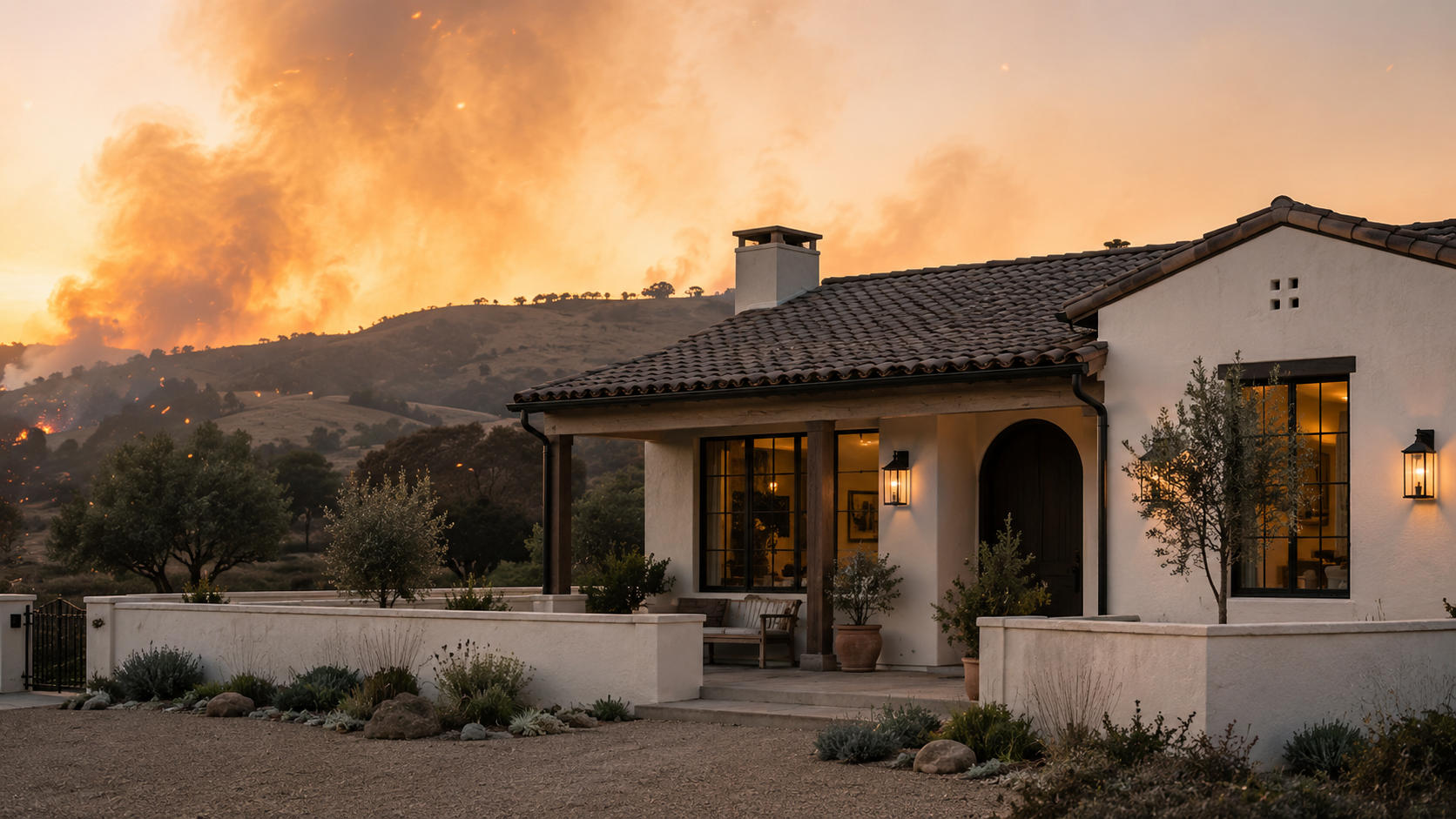
Wildfire resilience begins long before fire season.
From Class A roofing systems and ember-resistant ventilation to clean gutters and proper drainage, Rainstone helps strengthen one of your home's most important lines of defense.
How Wind-Blown Embers Reach a Home
Wildfire exposure often begins before flames reach a property. Follow the journey to see how wind-blown embers can reach vulnerable areas around the roofline.
HOW HOMES BECOME VULNERABLE
Wind Strong winds can carry burning material far ahead of an active wildfire.
Embers Small wind-blown embers may reach a property before the fire itself.
Roof Embers can land on roofing materials, valleys, eaves, and exposed roof areas.
Vents Vulnerable openings may allow embers to enter attic or enclosed spaces.
Debris Dry leaves and pine needles can create combustible fuel around the roofline.
Protection Layered roof and property improvements help reduce wildfire vulnerabilities.
WHY HOMEOWNERS ARE PREPARING
Wildfire Resilience Starts At Home
Wind Blown Embers
Most homes ignite from embers—not direct flames. They can travel miles ahead of a wildfire and collect in vulnerable areas.
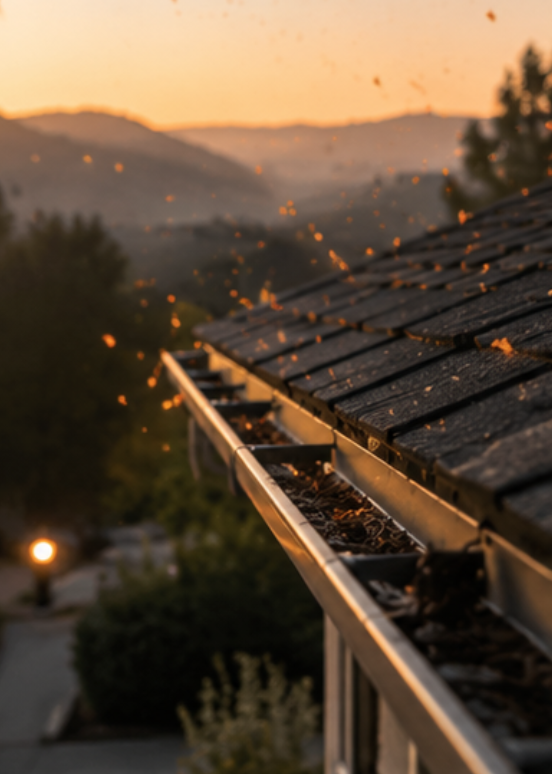
Vulnerable Rooflines
Roof valleys, vents, gutters, and accumulated debris are common places where embers can ignite combustible materials.
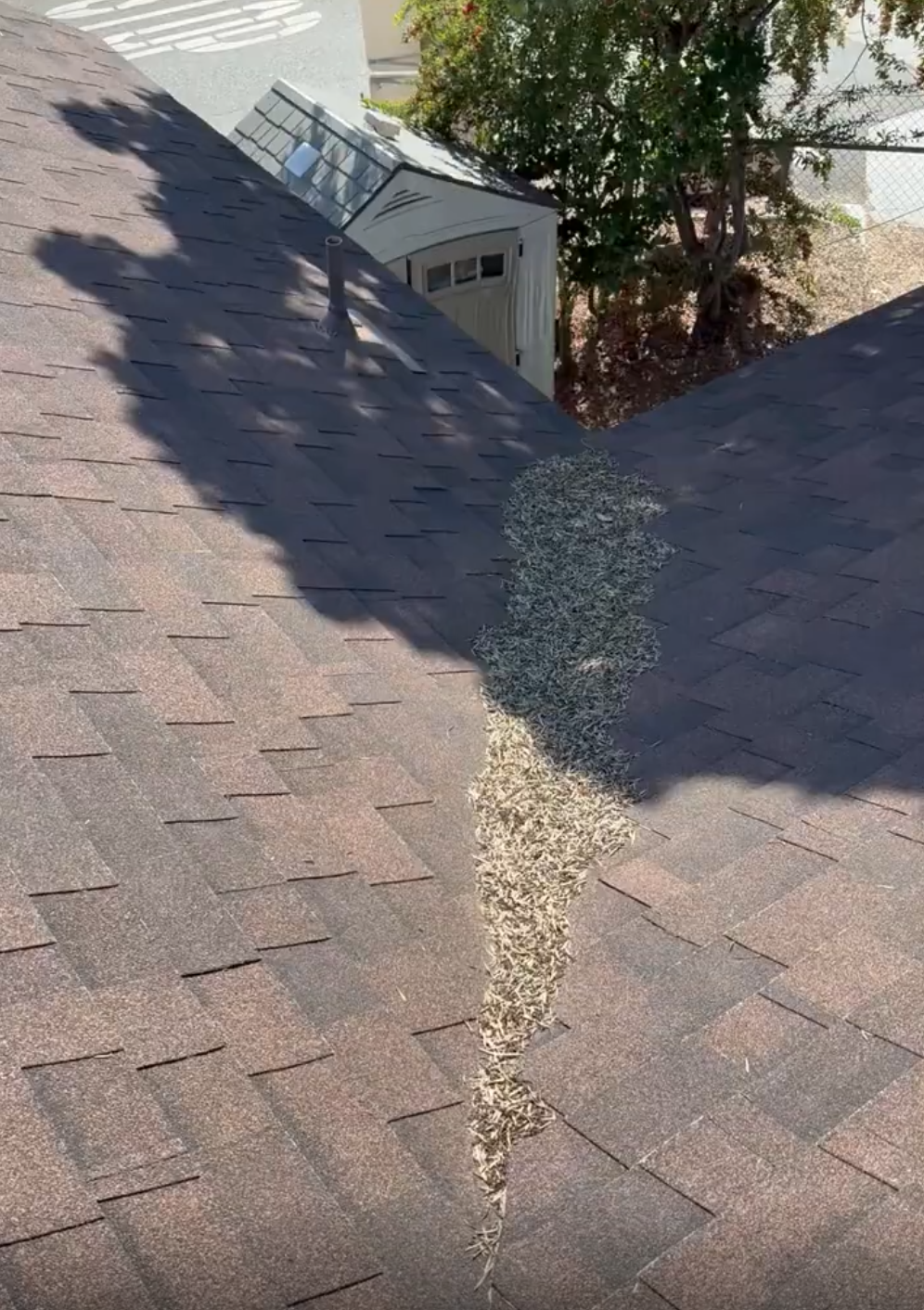
Defensible Space
Vegetation management and proper clearance around the home play a major role in reducing wildfire risk.
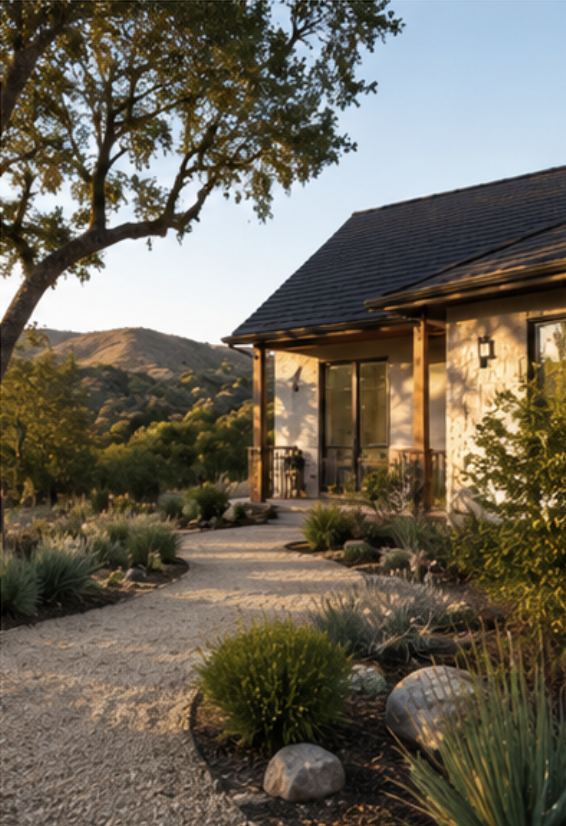
Insurance Expectations
Many homeowners are proactively upgrading their properties to improve resilience and meet evolving insurance requirements.
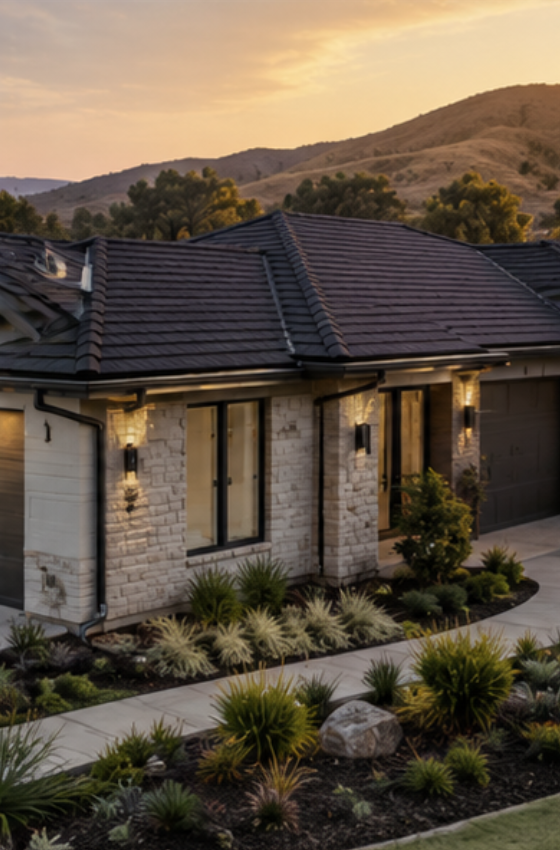
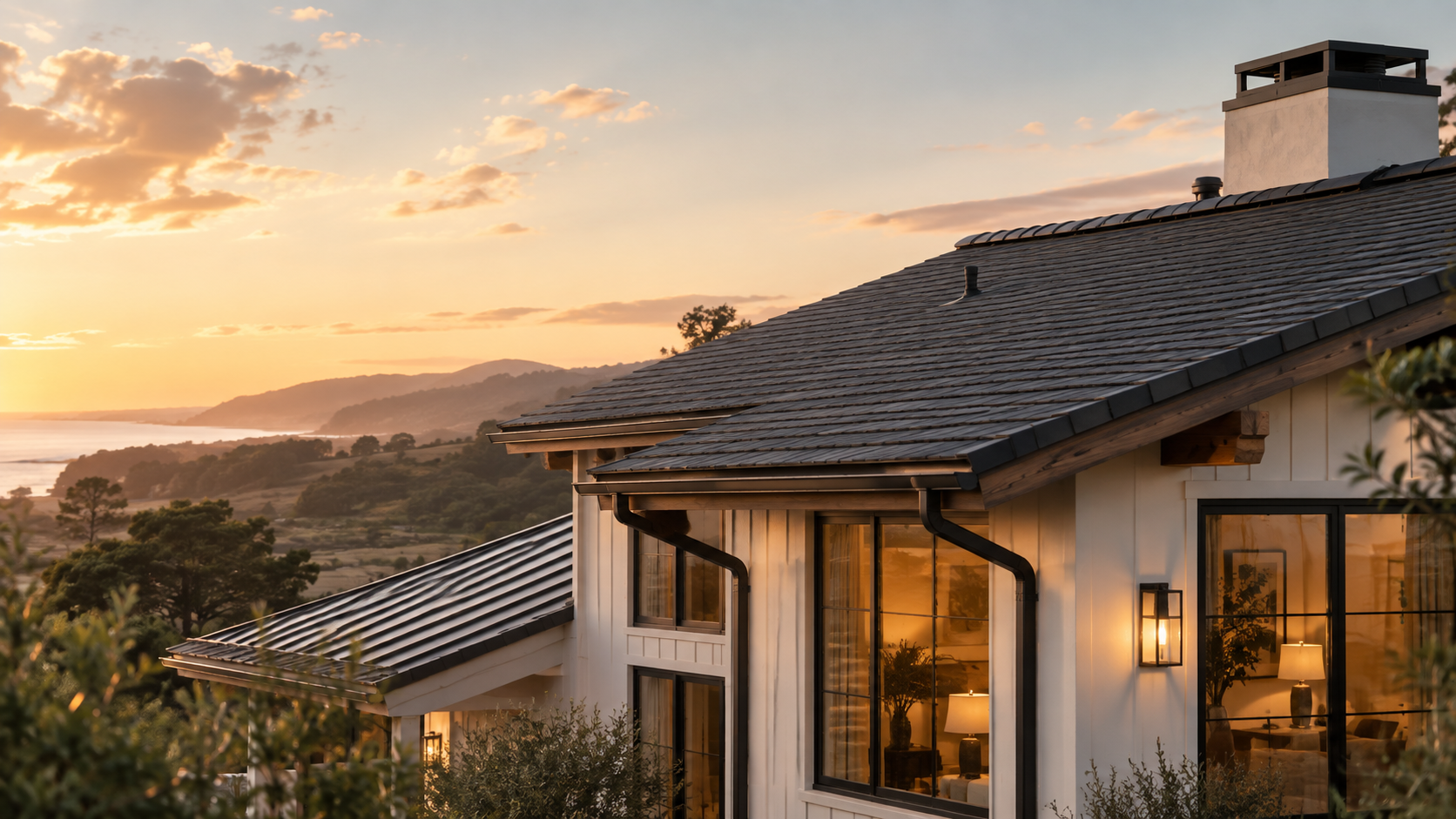
The Roof Is Where
Protection Begins
Roofing
Class A roofing materials help reduce vulnerability from wind-blown embers.
Ventilation
Ember-resistant vents help protect vulnerable attic openings while maintaining airflow.
Gutters
Keeping gutters clean and protected reduces combustible debris around the roofline.

Every property is different.
A comprehensive wildfire evaluation helps identify practical opportunities to improve resilience.
COMPLETE PROPERTY PROTECTION
One Property. Two Areas of Expertise.
Wildfire resilience extends beyond the roofline. Rainstone strengthens the systems attached to your home, while OSOS Fire Defense helps address the surrounding property conditions that can increase wildfire exposure.
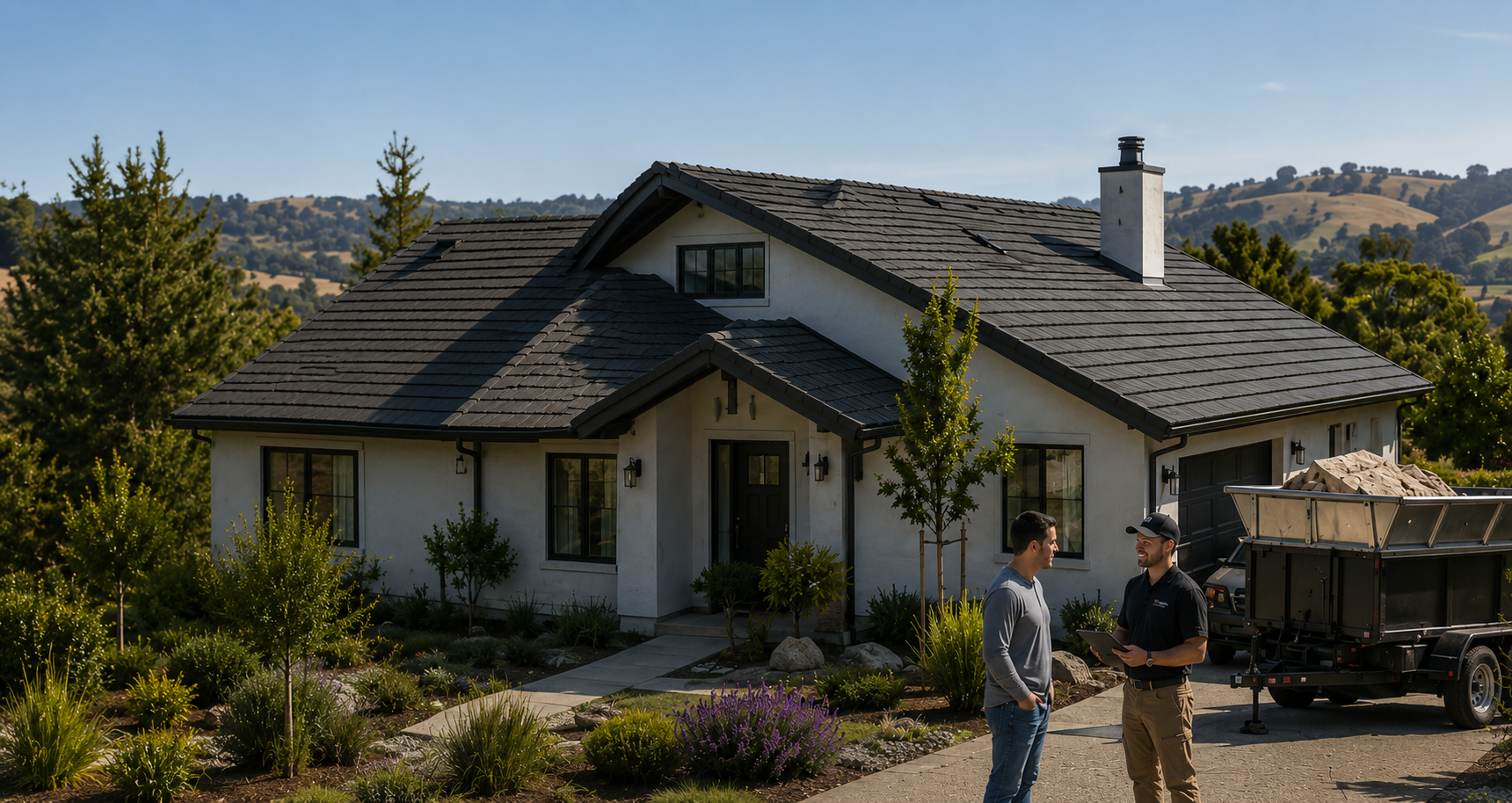
Protecting the Roofline
Rainstone focuses on the systems that help defend your home from above, including:
Class A roofing systems
Ember-resistant ventilation
Seamless gutters and gutter protection
Roofline debris and water management
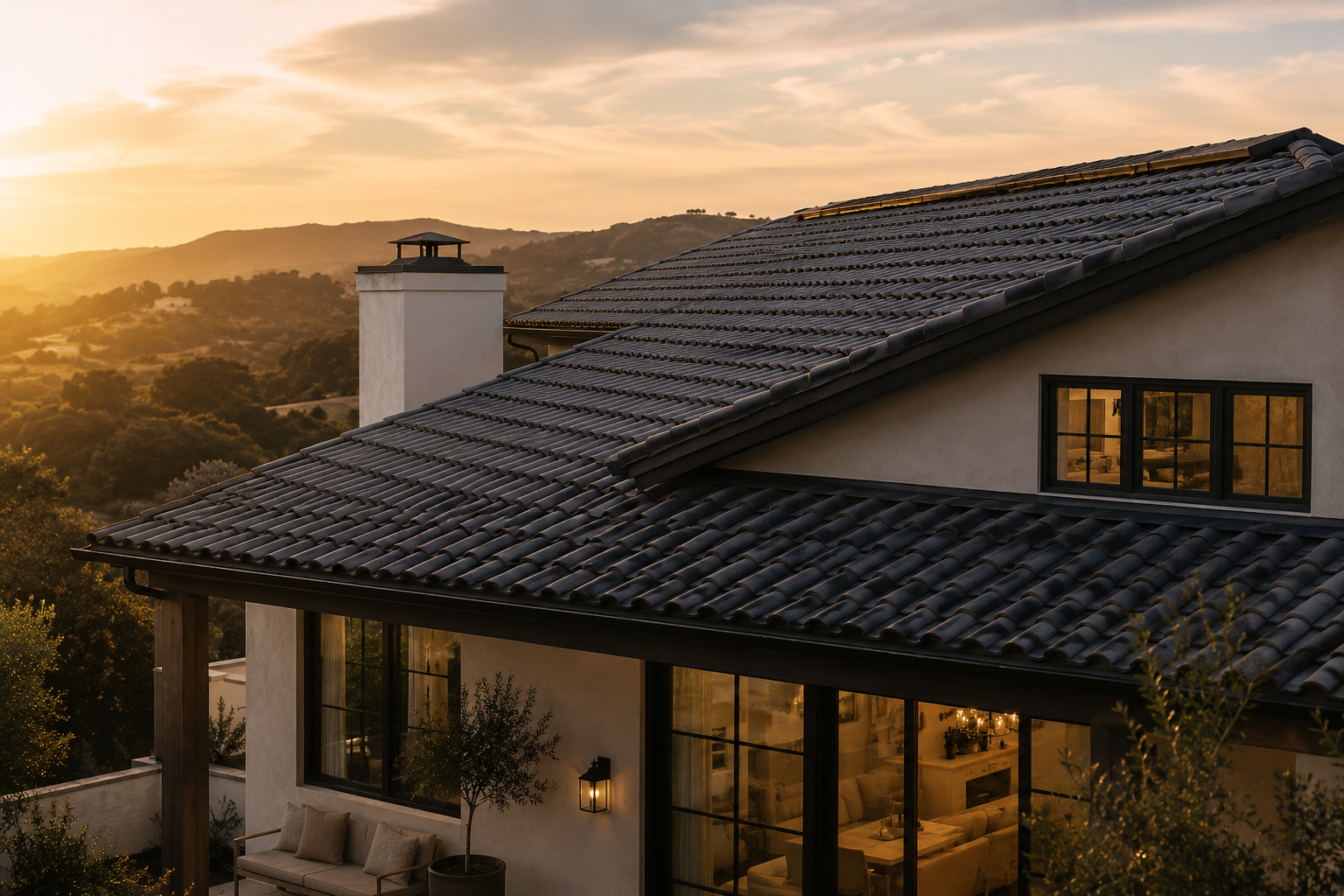
Protecting the Property Around It
OSOS Fire Defense helps homeowners evaluate and improve the areas beyond the roofline, including:
Wildfire property assessments
Defensible-space planning
Vegetation and fuel management
Broader wildfire mitigation improvements
Together, Rainstone and OSOS help homeowners create a more coordinated approach to wildfire resilience—from the roof to the surrounding property.
A Clear Plan for a More Resilient Property
Every property has different vulnerabilities. We evaluate the roofline and surrounding conditions, identify practical priorities, and recommend improvements that work together to support greater wildfire resilience.
OUR PROCESS
Evaluate We review the roofline, ventilation, gutters, drainage, and visible property conditions.
Identify We identify vulnerable areas where embers, debris, or surrounding fuels may increase risk.
Prioritize We organize recommendations by urgency, impact, and the needs of your property.
Improve Rainstone completes roofline improvements and coordinates broader property needs with OSOS Fire Defense.
Maintain We provide guidance for ongoing inspections, debris removal, and seasonal wildfire preparation.

OUR PHILOSOPHY
Protect The Whole Property. Not Just One Problem.
A stronger roof is important—but wildfire resilience doesn't stop there.
That's why Rainstone looks beyond individual products and considers how roofing, ventilation, gutters, drainage, and the surrounding landscape work together.
Every recommendation is part of a larger strategy designed to help protect your investment for years to come.
-Trevor Ranlett
Owner, Rainstone Roof & Gutter
EXPLORE COMPLETE ROOFLINE PROTECTION
Every System Works Better Together
A high-performing roof relies on more than shingles alone. Explore the systems that work together to help protect your home from water, weather, and wildfire.
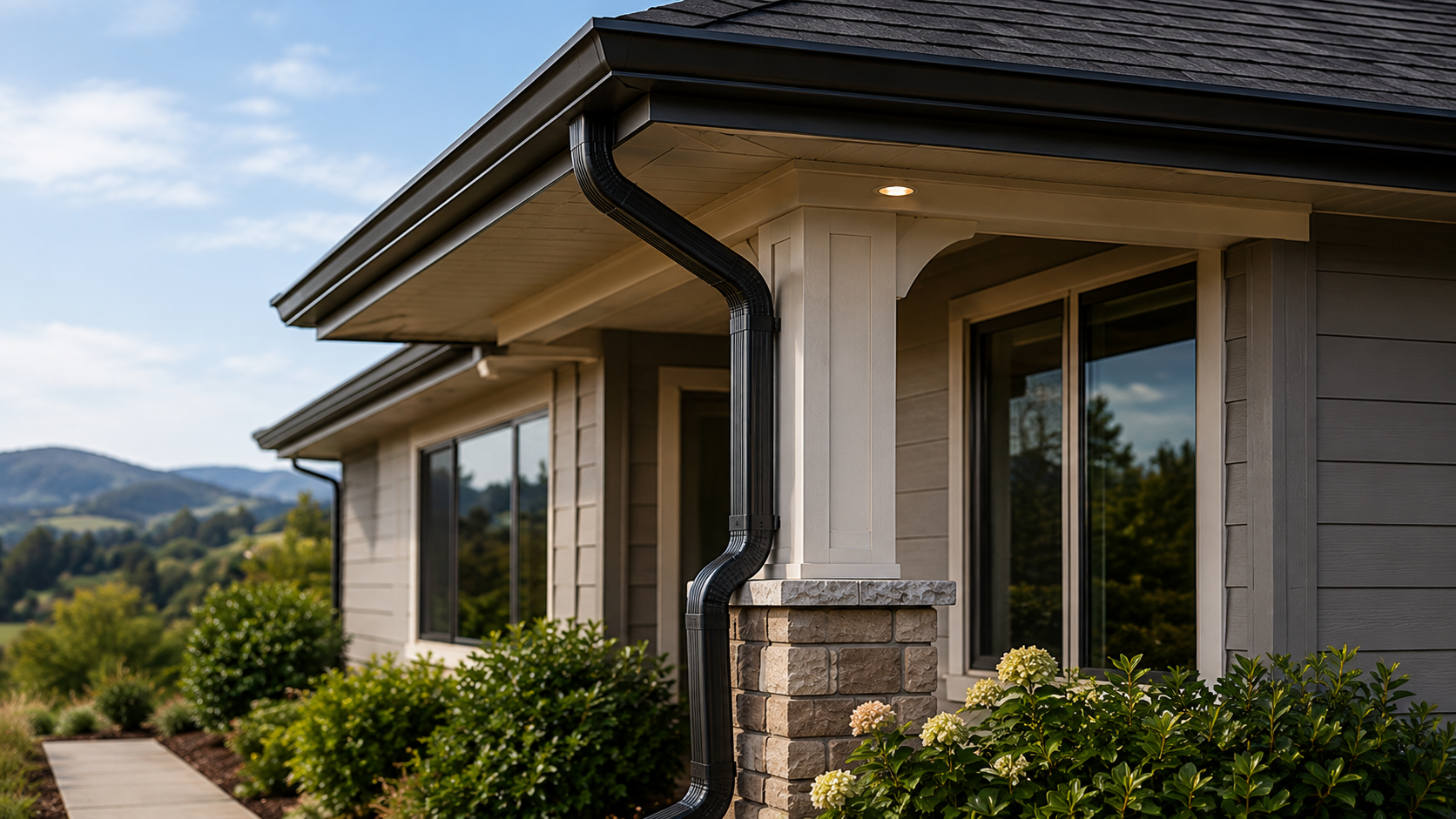
Seamless Gutters
Move water where it belongs with custom-fit seamless gutters.
Learn about Seamless Gutters →
Roof Replacement
Protect your home with a complete roofing system built for long-term performance.
Learn about Replacements →
Ember-Resistant Ventilation
Healthy airflow is one of the most overlooked parts of a high-performing roof.
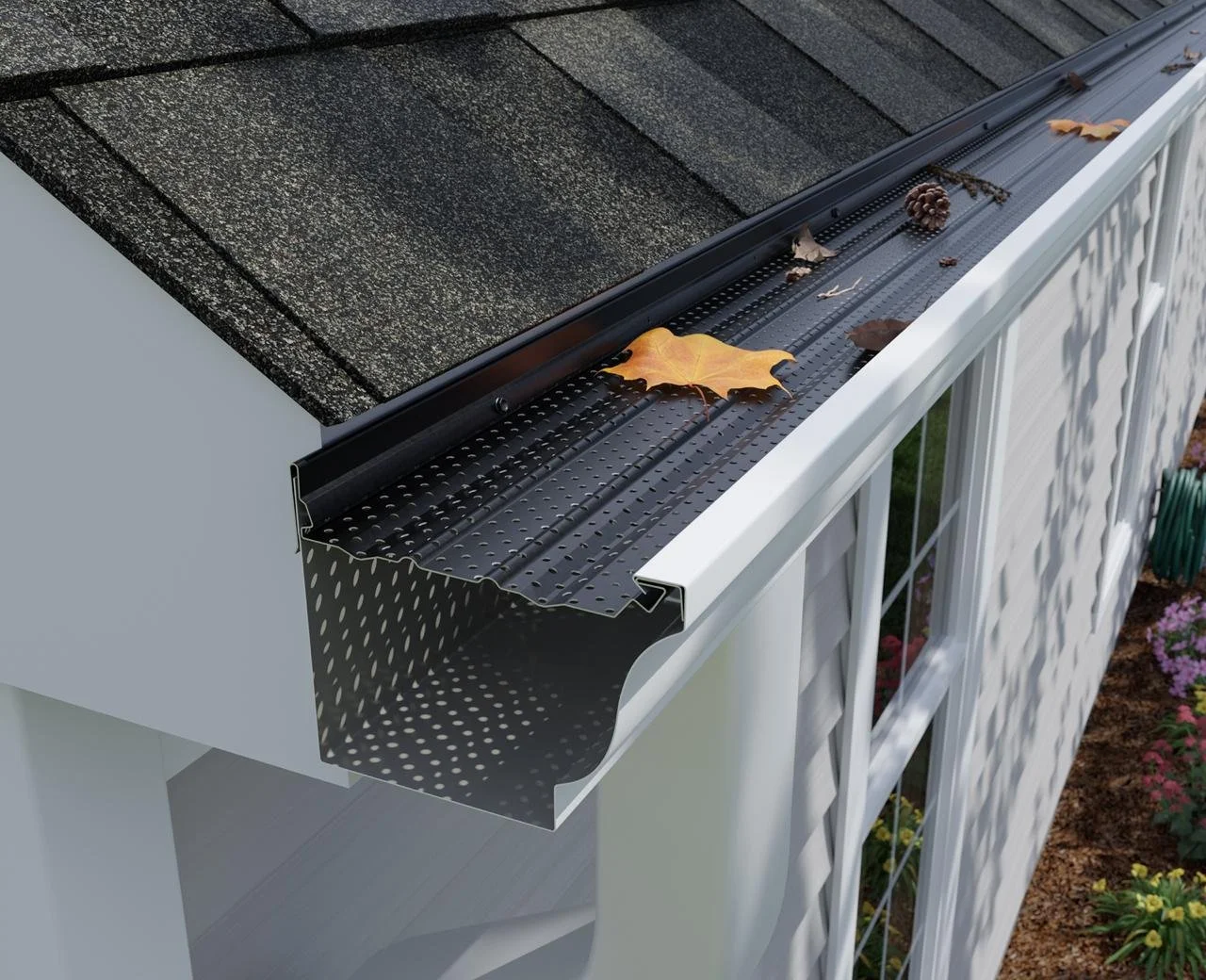
Gutter Guards
Reduce debris buildup and help protect one of the roofline's most vulnerable areas
Learn about Gutter Guards →
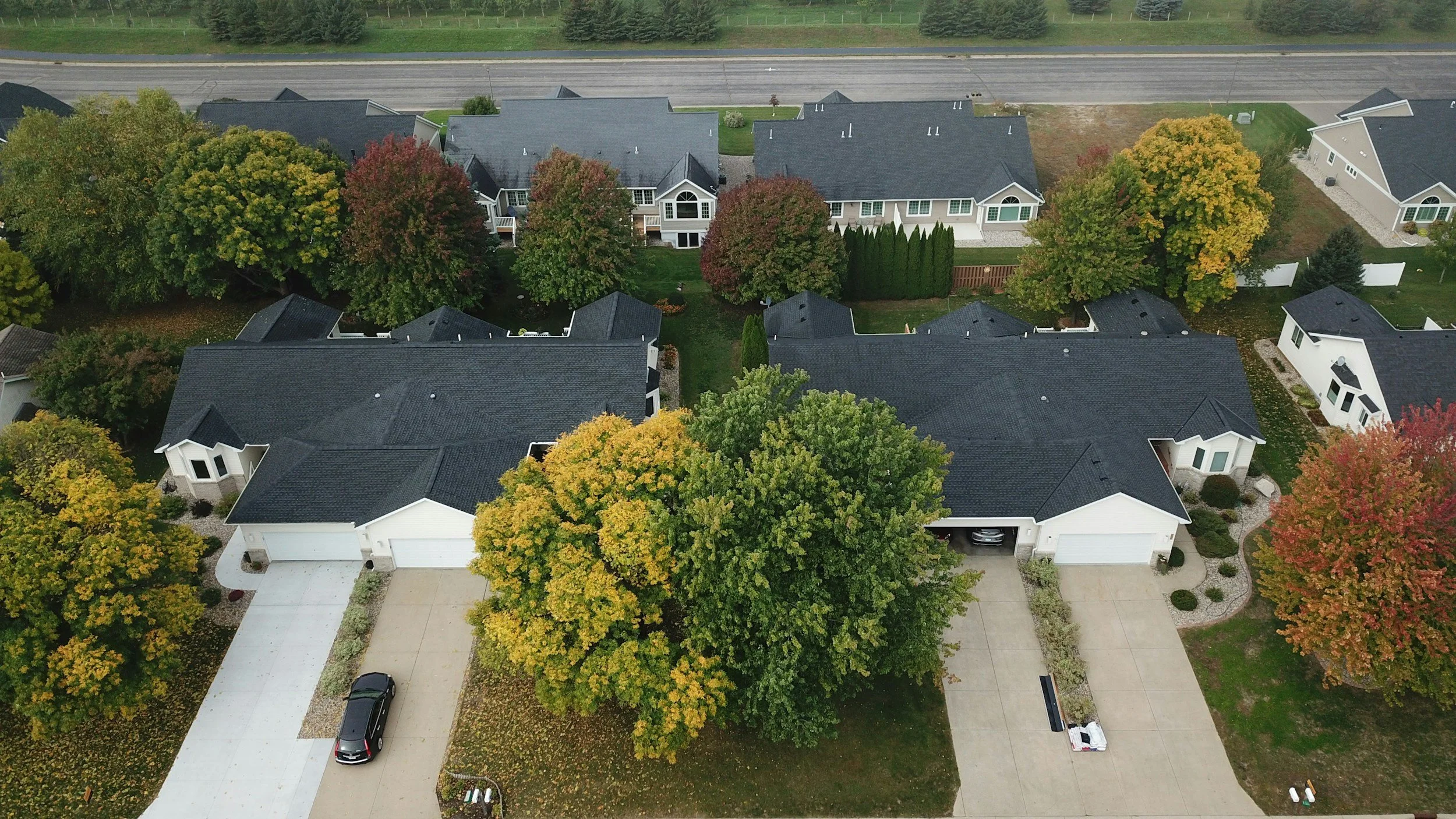
READY TO BUILD A MORE RESILIENT HOME?
Whether you're replacing your roof, upgrading your ventilation, or planning for wildfire season, Rainstone can help you identify practical improvements that strengthen your home's first line of defense.
Looking beyond the roof?
Our partners at OSOS Fire Defense can help you evaluate the surrounding property and create a comprehensive wildfire resilience plan.